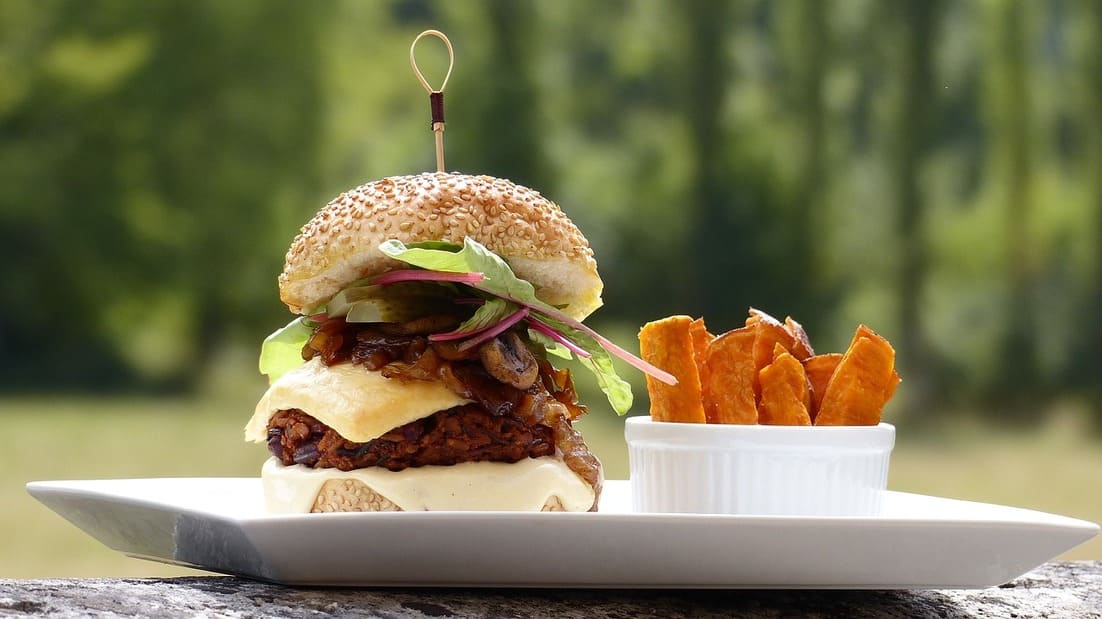
In recent years, vegan and plant-based burgers have exploded in popularity, with an increasing number of restaurants offering plant-based patties as an alternative to traditional beef burgers. As people become more conscious of their health, the environment, and animal welfare, the demand for vegan burgers has grown exponentially. This has given rise to chains springing up that are known specifically as being vegan burger restaurants. What makes a vegan burger so appealing, and how do plant-based options compare nutritionally to traditional beef burgers? This article explores the health benefits of vegan burgers, the potential drawbacks of some plant-based options, and provides a guide for navigating the world of plant-based burgers, both at restaurants and when shopping for pre-packaged options.
The Rise of Vegan and Plant-Based Burgers
Vegan and plant-based burger restaurants have surged in recent years, reflecting a growing trend toward plant-based diets. Major fast food chains have jumped on the bandwagon, offering plant-based burger options alongside their meat-heavy offerings. But why are vegan burgers becoming so popular?
For many, plant-based burgers offer a healthier, more sustainable alternative to traditional beef burgers. With increased awareness of the environmental impact of livestock farming, people are seeking alternatives that use fewer natural resources and produce less greenhouse gas emissions. Additionally, concerns over the ethical treatment of animals in the meat industry are motivating individuals to choose plant-based options.
Beyond the environmental and ethical benefits, plant-based burgers often appear as a healthier choice, as they tend to be lower in saturated fats and cholesterol. For those with dietary restrictions, such as vegans, vegetarians, or those trying to reduce their meat consumption, vegan burgers provide a delicious and satisfying alternative.
Comparing the Health Benefits of Vegan and Traditional Beef Burgers
When considering a vegan or plant-based burger versus a traditional beef burger, there are several health benefits to plant-based options. However, it’s essential to weigh both the advantages and potential drawbacks of vegan burgers, as not all are created equal.
Health Benefits of Vegan and Plant-Based Burgers
- Lower in Saturated Fat and Cholesterol: One of the most significant health advantages of vegan burgers is that they contain little to no saturated fat and zero cholesterol. Traditional beef burgers are high in both, which can increase the risk of heart disease and other cardiovascular issues. Plant-based burgers, particularly those made from legumes, grains, or vegetables, offer a healthier profile for heart health.
- Rich in Fiber: Plant-based burgers are often made from ingredients like beans, lentils, quinoa, and vegetables, all of which are high in dietary fiber. Fiber plays a critical role in supporting digestive health, regulating blood sugar levels, and maintaining a healthy weight. In contrast, beef burgers contain no fiber at all, making them less beneficial for digestive health.
- Lower in Calories: Many vegan burgers tend to be lower in calories compared to beef burgers, especially when they are made from whole food ingredients like black beans or vegetables. This can make them a better option for those watching their calorie intake.
- Better for the Environment: Beyond individual health, plant-based burgers are far more sustainable than their beef counterparts. Producing a plant-based burger requires far fewer natural resources, such as water and land, and generates significantly fewer greenhouse gas emissions. For those concerned with reducing their environmental footprint, plant-based options are an easy way to contribute.
Potential Drawbacks of Vegan Burgers
While plant-based burgers offer numerous health benefits, not all options are equally healthy. Many commercially available vegan burgers are highly processed, containing ingredients like refined oils, preservatives, and artificial flavors. These additives can increase the sodium content and decrease the overall nutritional value of the burger.
- High Sodium Content: Some vegan and plant-based burgers can be high in sodium, which is used to enhance flavor and preserve the product. Excessive sodium intake is linked to high blood pressure, kidney disease, and heart disease. It’s essential to check the sodium levels when purchasing or ordering a plant-based burger, as high sodium levels may negate some of the health benefits.
- Added Sugars and Refined Oils: Some vegan burgers use refined oils and added sugars to improve texture and taste. While these ingredients are vegan-friendly, they can contribute to unhealthy weight gain and an increased risk of metabolic diseases if consumed in excess.
- Lack of Nutritional Balance: Highly processed vegan burgers may lack essential nutrients found in whole foods, such as vitamins, minerals, and healthy fats. Look for burgers that include whole-food ingredients like legumes, nuts, and vegetables to get the most nutritional value.
What to Look for When Ordering or Buying a Vegan Burger
If you’re looking to enjoy a plant-based burger, there are a few things to keep in mind to make a healthier choice.
- Check the Sodium Content: When ordering at a restaurant or buying store-bought vegan burgers, always check the sodium content. Look for burgers that contain less than 600 milligrams of sodium per serving to avoid excessive salt intake.
- Choose Whole-Food Ingredients: Opt for burgers made from whole foods like beans, lentils, quinoa, or vegetables, rather than heavily processed patties. Whole foods tend to have better nutritional profiles and are typically lower in unhealthy fats and preservatives.
- Watch for Added Sugars and Oils: Be mindful of added sugars and refined oils, which are often included in vegan burger patties to enhance flavor or texture. Aim for burgers with minimal added sugars and healthy oils, such as avocado oil or olive oil.
- Pair with Healthy Sides: To make your vegan burger meal even healthier, choose nutrient-rich sides, such as a side salad, roasted vegetables, or sweet potato fries, instead of fried options.
Best Vegan and Plant-Based Burger Restaurants
If you’re craving a delicious plant-based burger, check out these top vegan burger spots across the country:
- Superiority Burger Shop (New York City, NY) – Known for its innovative veggie burger made from chickpeas and other wholesome ingredients, this East Village gem offers a unique take on plant-based burgers.
- PLNT Burger (Washington, D.C.) – PLNT Burger serves up gourmet plant-based burgers made from organic ingredients, with delicious options like the “PLNT Classic” and “Bacon” burgers.
- Shake Shack (Nationwide) – For a more mainstream option, Shake Shack’s “Shroom Burger” features a fried portobello mushroom stuffed with melted cheese, offering a tasty and indulgent vegan-friendly option.
- The Butcher’s Son (Berkeley, CA) – A fully vegan deli that serves mouthwatering plant-based burgers, sandwiches, and more. Their “Classic Burger” is a local favorite.
Healthy Store-Bought Vegan Burger Options
- Beyond Burger (by Beyond Meat) – While a more processed option, the Beyond Burger is a popular choice for its meaty texture and taste. It’s a great option for those looking for a plant-based burger that feels like a traditional beef burger.
- Amy’s Kitchen – Known for its organic and non-GMO ingredients, Amy’s Kitchen offers a tasty and nutritious vegan burger that’s simple yet satisfying.
- Dr. Praeger’s – Offering a variety of plant-based burgers made with whole ingredients like vegetables, quinoa, and sweet potatoes, Dr. Praeger’s burgers are a healthier alternative to heavily processed options.
Conclusion
The rise of vegan burger restaurants and plant-based burger restaurants reflects a growing demand for healthier, more sustainable alternatives to traditional beef burgers. While plant-based burgers can offer numerous health benefits, such as lower levels of saturated fat and higher fiber content, it’s essential to be mindful of sodium levels, preservatives, and added sugars. Whether you’re dining out or purchasing pre-packaged options, it’s always a good idea to check the ingredient list and nutritional content to make sure you’re making the healthiest choice. With the right ingredients and proper portion control, a vegan or plant-based burger can be a delicious and nutritious addition to your diet.