The Benefits and Popularity of Vegan Vietnamese Food: A Taste of Authenticity from Saigon
In recent years, vegan food has surged in popularity worldwide, and Vietnamese cuisine is no exception. Particularly in Saigon (Ho Chi Minh City), where culinary traditions are rich and diverse, there has been an increase in vegan Vietnamese restaurant popularity. These restaurants are now serving vegan versions of classic dishes which are taking center stage. These plant-based alternatives not only offer health benefits but also stay true to the flavors and authenticity of the region’s beloved dishes. Vegan Vietnamese food captures the essence of traditional Vietnamese cooking while aligning with contemporary dietary preferences and concerns for ethical and environmental reasons.
1. Health Benefits of Vegan Vietnamese Cuisine
One of the most significant reasons for the growing popularity of vegan Vietnamese food is its health benefits. Traditional Vietnamese dishes are already recognized for being light, fresh, and packed with nutritious ingredients. Vegan Vietnamese cuisine takes these aspects to a new level, offering nutrient-dense meals that are low in saturated fat and cholesterol, while being high in fiber, antioxidants, and essential vitamins.
Many traditional Vietnamese dishes, such as pho, banh mi, and goi cuon (spring rolls), can easily be adapted to vegan versions without sacrificing flavor. For example, vegan pho can be made with a rich vegetable broth, tofu, and a variety of fresh herbs and vegetables, making it a satisfying meal that is low in calories yet full of nutrients.
Plant-based pho is an excellent source of protein, especially when paired with tofu, which also adds healthy fats. Similarly, goi cuon—Vietnamese spring rolls—can be filled with fresh vegetables, rice noodles, and tofu instead of shrimp or pork, creating a low-fat, high-fiber dish that supports digestion and overall wellness.
The abundance of fresh herbs such as cilantro, mint, and basil, commonly used in Vietnamese cooking, offers additional health benefits. These herbs are rich in antioxidants, which support immune function and reduce inflammation. The use of ingredients like lemongrass, ginger, and chili peppers adds natural anti-inflammatory and detoxifying properties, further enhancing the health benefits of vegan Vietnamese meals.
2. Popularity of Vegan Vietnamese Food
The popularity of vegan Vietnamese food is growing for several reasons, especially in urban centers like Saigon. As the world becomes more health-conscious and environmentally aware, many people are turning to plant-based diets. Veganism has become more than just a dietary choice; it has evolved into a lifestyle that supports animal welfare and environmental sustainability.
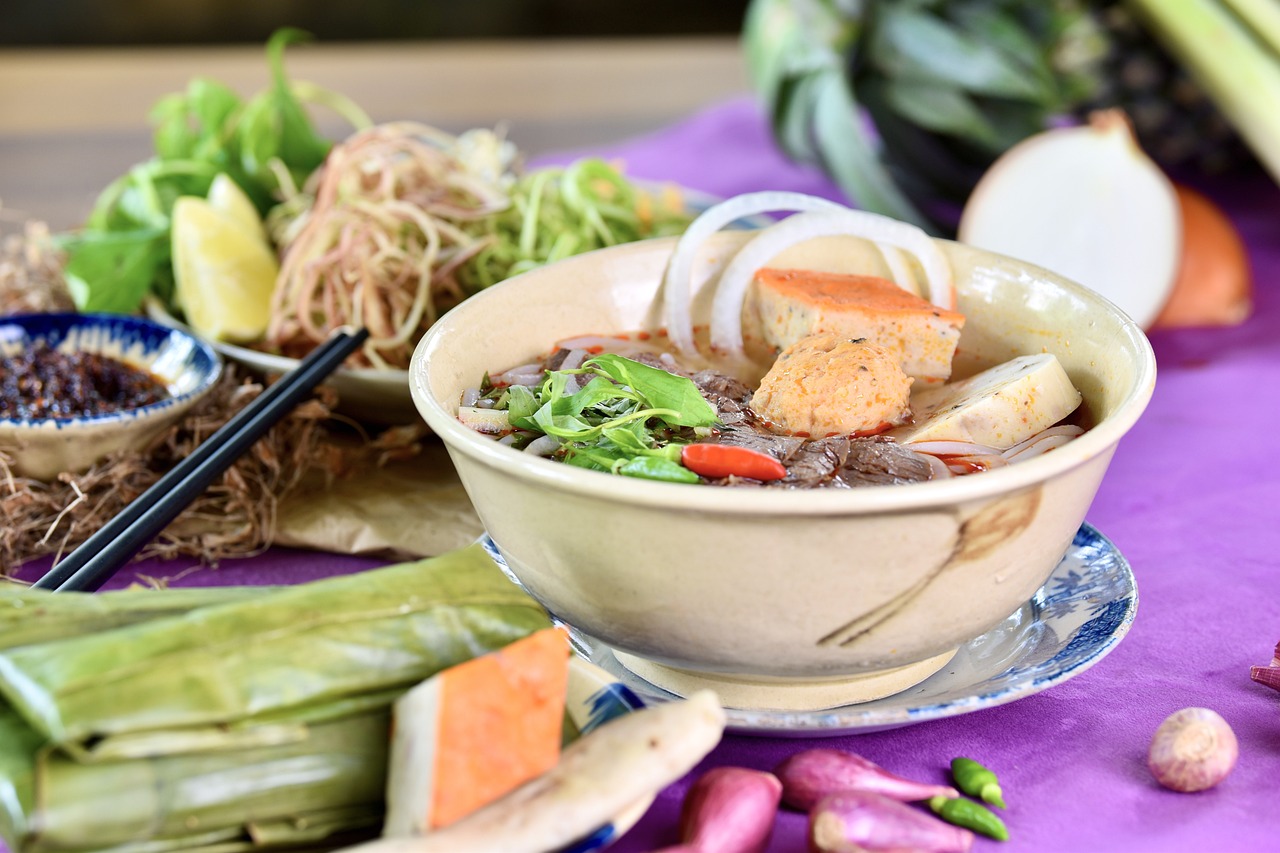
Vietnam, traditionally a meat-heavy culture, is now experiencing a shift as veganism becomes more accessible and attractive. In Saigon, the rise of plant-based eateries offering vegan takes on traditional dishes has made it easier for locals and tourists alike to embrace a vegan lifestyle. These establishments offer a modern take on Vietnamese street food favorites, such as vegan banh xeo (Vietnamese pancakes), vegan bun bo Hue (spicy noodle soup), and vegan com tam (broken rice), proving that plant-based Vietnamese food can be both authentic and delicious.
The authenticity of vegan Vietnamese food is key to its growing success. Rather than losing the traditional flavors that define Vietnamese cuisine, vegan adaptations often enhance the complexity of the dishes by focusing on plant-based ingredients that deliver vibrant, fresh flavors. Tofu, tempeh, seitan, and mushrooms often replace meat, but they are paired with traditional Vietnamese seasonings, herbs, and spices to maintain the integrity of the dish.
3. Authenticity of Saigon Dishes
Saigon, with its bustling markets and rich culinary culture, is often seen as the epicenter of Vietnamese street food. Vegan versions of Saigon’s classic dishes, such as vegan pho, vegan banh mi, and vegan com tam, are particularly popular. These dishes reflect the region’s emphasis on balance—sweet, sour, salty, and spicy flavors—as well as the use of fresh, seasonal ingredients.
For example, vegan banh mi, a sandwich that originated in Saigon, can be made with plant-based versions of the traditional fillings like tofu, mushrooms, or mock meat, along with the iconic pickled vegetables, cilantro, and chili peppers. The balance of textures and flavors remains true to the spirit of the original dish, showcasing that vegan alternatives can be as satisfying as their meat-filled counterparts.
Additionally, many Saigon-based restaurants have embraced veganism not only as a trend but as a reflection of a broader shift toward mindful eating and sustainability. The city’s thriving food scene continues to innovate while respecting the authenticity of its culinary heritage.
Vegan Pho Recipe
Pho, the iconic Vietnamese noodle soup, is traditionally made with a flavorful beef or chicken broth. However, this vegan version uses a rich vegetable broth infused with aromatic herbs and spices, creating a deliciously fragrant and satisfying dish. The combination of fresh herbs, tofu, and rice noodles makes this vegan pho both hearty and nourishing.
Ingredients:
For the Broth:
- 1 onion, peeled and halved
- 1 piece of ginger (about 4 inches), sliced in half
- 6 cups vegetable broth
- 2-3 star anise pods
- 2-3 cloves
- 1 cinnamon stick
- 2-3 cardamom pods (optional)
- 1 tablespoon soy sauce (or tamari for gluten-free)
- 1 tablespoon miso paste (for umami flavor)
- 1 tablespoon brown sugar or coconut sugar
- 1-2 tablespoons lime juice
- 1 tablespoon salt (or to taste)
For the Soup:
- 200g rice noodles (pho noodles)
- 200g firm tofu, pressed and sliced into thin strips
- 1 tablespoon sesame oil (for frying tofu)
- Fresh herbs (cilantro, basil, mint)
- 1 lime, cut into wedges
- 1-2 chili peppers (optional), sliced thin
- 1/2 cup bean sprouts
- 1 small onion, thinly sliced
- 1-2 scallions (green onions), chopped
- 1/2 cup mushrooms (shiitake or oyster mushrooms work well), thinly sliced
- Hoisin sauce (optional, for serving)
- Sriracha (optional, for serving)
Instructions:
1. Prepare the Broth:
- Char the Onion and Ginger: Place the halved onion and ginger slices under a broiler or directly on a gas burner (over medium heat) for 5-7 minutes until they are slightly charred. This will bring out their natural sweetness and smoky flavor.
- Simmer the Broth: In a large pot, add the vegetable broth, charred onion, charred ginger, star anise, cinnamon stick, cloves, cardamom, soy sauce, miso paste, brown sugar, and salt. Bring to a boil, then reduce the heat and simmer for 30-45 minutes. Stir occasionally to ensure the flavors meld together.
- Strain the Broth: After simmering, strain the broth to remove the solid ingredients (onion, ginger, and spices). Return the clear broth to the pot and adjust seasoning with lime juice, more soy sauce, or sugar if needed.
2. Prepare the Tofu:
- Fry the Tofu: While the broth is simmering, heat sesame oil in a large pan over medium heat. Add the tofu slices and cook them for 4-5 minutes on each side until golden and crispy. Set aside.
3. Cook the Noodles:
- Cook the Rice Noodles: Follow the package instructions for the rice noodles. Typically, you will need to soak them in hot water for 5-10 minutes until tender, or you can briefly cook them in boiling water for 1-2 minutes. Drain and rinse with cold water to prevent them from sticking together.
4. Assemble the Pho:
- Prepare the Garnishes: Arrange the fresh herbs (cilantro, basil, and mint), lime wedges, chili peppers, bean sprouts, sliced onion, scallions, and mushrooms on a platter.
- Assemble the Bowls: Divide the cooked noodles among serving bowls. Ladle the hot broth over the noodles, ensuring the noodles are well covered.
- Add Tofu and Garnishes: Place the crispy tofu on top of the noodles. Top with the fresh herbs, mushrooms, and other garnishes.
5. Serve:
- Serve the vegan pho with hoisin sauce and sriracha on the side, allowing diners to add as much of these condiments as they like for extra flavor.
Tips:
- If you prefer a richer broth, you can add a small piece of kombu (dried seaweed) during the simmering process for added umami.
- For an extra layer of flavor, try adding a splash of coconut milk or a little bit of tamarind paste to the broth.
- If you can find it, Vietnamese vegan pho often includes a small amount of mushroom soy sauce, which adds a deeper umami flavor.
This vegan pho recipe captures the essence of traditional Vietnamese pho while making it completely plant-based. The combination of aromatic spices, fresh herbs, tofu, and vegetables makes this dish a comforting and flavorful meal that can be enjoyed by everyone!
Conclusion
Vegan Vietnamese food has become an exciting and health-conscious trend, particularly in Saigon, where traditional dishes are being reimagined with plant-based ingredients. The shift towards veganism in Vietnamese cuisine brings numerous health benefits, such as weight management, improved digestion, and reduced risk of chronic diseases, while preserving the bold and flavorful authenticity that makes Vietnamese food so beloved. As more people seek out sustainable and compassionate food choices, vegan Vietnamese food offers a delicious way to experience the rich culinary heritage of Saigon while promoting a healthier, more ethical lifestyle.